Get Your Hands Dirty: DIY Repair and Care for Your Renault Logan 1
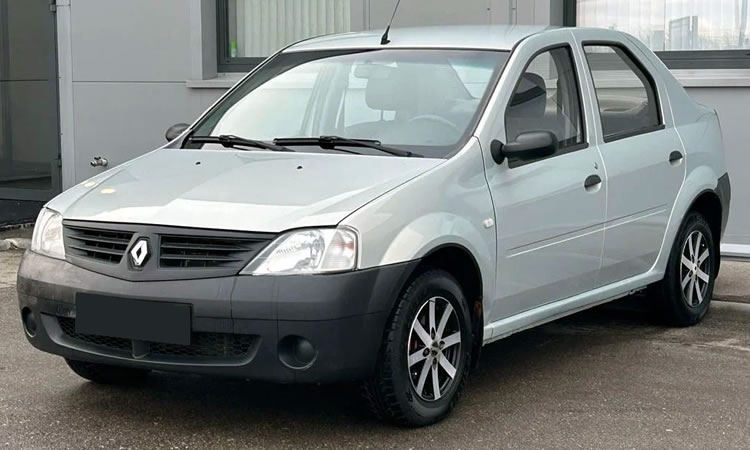
Hey there, fellow gearheads and budget-conscious drivers! Got a Renault Logan 1? Awesome car, right? Reliable, practical, and, let's be honest, pretty easy to work on yourself. That's right, you don't always need to shell out big bucks at the mechanic. With a little know-how and some elbow grease, you can keep your Logan running smoothly and save some serious cash. This guide is your friendly companion to DIY repair and maintenance.
Why Bother with DIY?
Look, we're not all mechanics, but tackling some basic maintenance yourself is totally doable. Here's why you should consider it:
- Save Money! This is the big one. Labor costs at a shop can be insane. Doing it yourself saves you a ton.
- Learn Something New: It's satisfying to fix your own car. You'll understand how it works better.
- Control Your Car's Care: You know exactly what parts are used and how the work is done. No more worrying about shady mechanics.
- Bond with Your Logan: Seriously! You'll develop a deeper appreciation for your car.
Getting Started: What You'll Need
Before you dive in, you'll need a few essentials:
- Basic Tools:
- Wrench set (metric, of course!)
- Socket set (metric)
- Screwdrivers (Phillips and flathead)
- Pliers
- Jack and jack stands (SAFETY FIRST!)
- Wheel chocks
- Torque wrench (for tightening bolts properly)
- Oil filter wrench
- Consumables:
- Engine oil (check your owner's manual for the right type)
- Oil filter
- Air filter
- Fuel filter
- Spark plugs
- Coolant
- Brake fluid
- Resources:
- Your Owner's Manual: This is your bible! It has all the specs and service intervals.
- Online Forums and YouTube: Seriously, YouTube is your best friend. Search for "Renault Logan 1 [what you're trying to do]" and you'll find tons of videos.
- A friend (optional): Sometimes, a second set of hands is helpful.
Routine Maintenance: The Easy Stuff
Here's a breakdown of some common tasks you can easily handle:
- Oil and Filter Change: This is the most crucial maintenance task.
- Warm up the engine.
- Locate the oil drain plug (under the car).
- Place a drain pan under the plug and remove it (carefully, the oil will be hot!).
- Let the oil drain completely.
- Remove the oil filter (it's usually a spin-on type).
- Install the new oil filter (lightly lubricate the rubber seal).
- Replace the drain plug (tighten it to the correct torque).
- Lower the car.
- Fill with the correct amount of new oil.
- Check the oil level with the dipstick.
- Start the engine and check for leaks.
- Air Filter Replacement: Super easy, usually located in a box under the hood.
- Unclip or unscrew the box.
- Remove the old filter.
- Install the new filter (make sure it's seated correctly).
- Close the box.
- Spark Plug Replacement:
- Remove the spark plug wires (label them if you're unsure).
- Use a spark plug socket to remove the old plugs.
- Gap the new plugs to the correct spec (check your manual).
- Install the new plugs (tighten them to the correct torque).
- Reattach the spark plug wires.
- Brake Pad Inspection and Replacement:
- Jack up the car and secure it with jack stands.
- Remove the wheel.
- Inspect the brake pads for wear.
- If they're worn down, remove the caliper (usually two bolts).
- Compress the caliper piston (you might need a special tool).
- Install the new pads.
- Reassemble everything.
- Checking and Topping Up Fluids:
- Engine Coolant: Check the level in the coolant reservoir. Top it up if needed (use the correct coolant type).
- Brake Fluid: Check the level in the brake master cylinder reservoir. Top it up if needed.
- Power Steering Fluid: Check the level in the power steering reservoir. Top it up if needed.
- Windshield Washer Fluid: Fill up the washer fluid reservoir.
Troubleshooting Common Issues
- Engine Won't Start:
- Check the battery (is it charged?).
- Check the fuel pump (listen for a whirring sound when you turn the key).
- Check the spark plugs (are they wet with fuel?).
- Rough Idle:
- Check the spark plugs (are they fouled?).
- Check the air filter (is it clogged?).
- Check for vacuum leaks.
- Brakes Feel Soft:
- Check for leaks in the brake lines.
- Bleed the brakes (remove air from the system).
Important Safety Tips
- Always disconnect the negative battery terminal before working on electrical components.
- Never work under a car supported only by a jack. ALWAYS use jack stands.
- Wear safety glasses when working under the car or near the engine.
- Use the correct tools for the job.
- If you're not comfortable with a task, don't do it! Take it to a professional.
Final Thoughts
DIY maintenance is a rewarding experience. It's empowering, it saves you money, and it helps you understand your car better. Don't be afraid to get your hands dirty. Start with the easy stuff, and gradually work your way up to more complex tasks. Good luck, and happy wrenching!